



Exercise animations for fitness apps and content creators.

A production-ready library for fitness apps and creators: 608 illustrated exercises, of which 496 are motion clips and 112 are static holds (planks, dead hangs etc.).
Optimized preview shown. The Standard bundle ships the full-resolution WebPs and manifest.
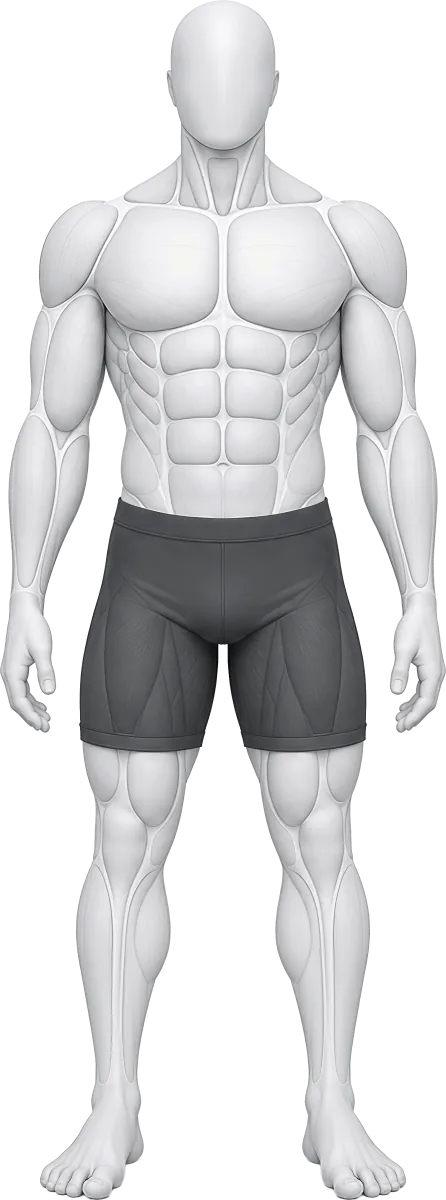
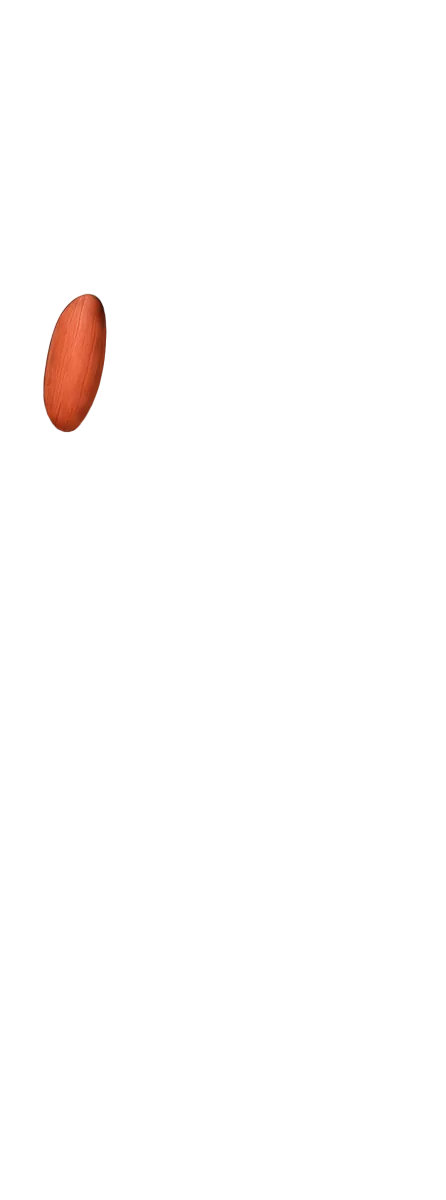
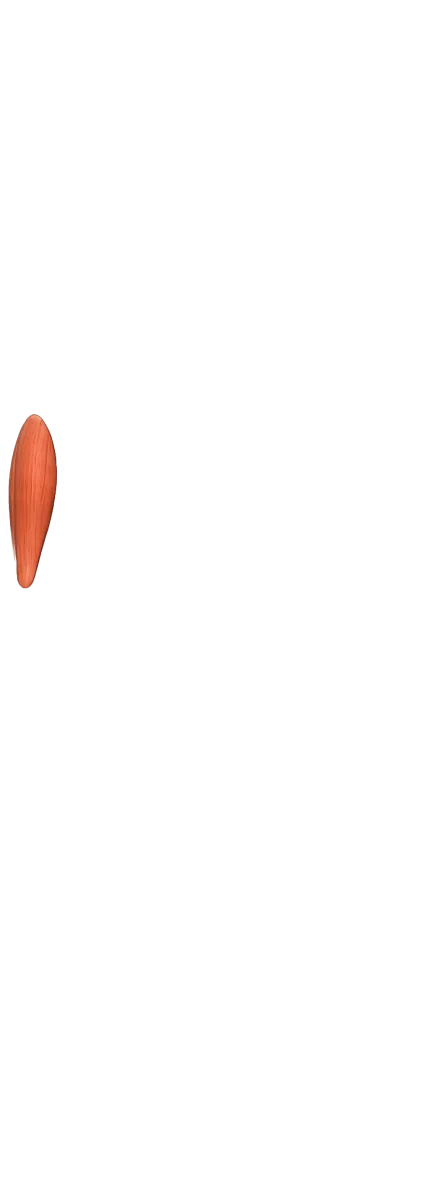
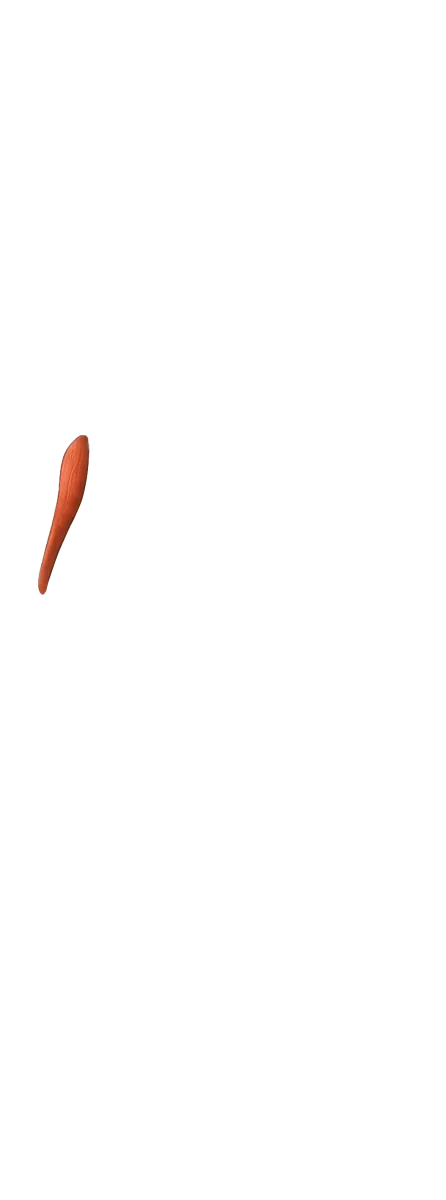
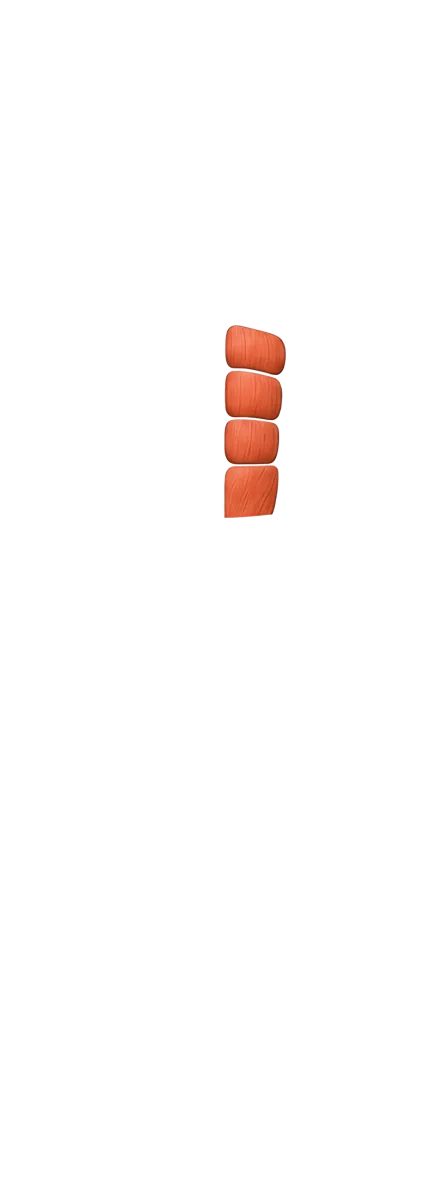
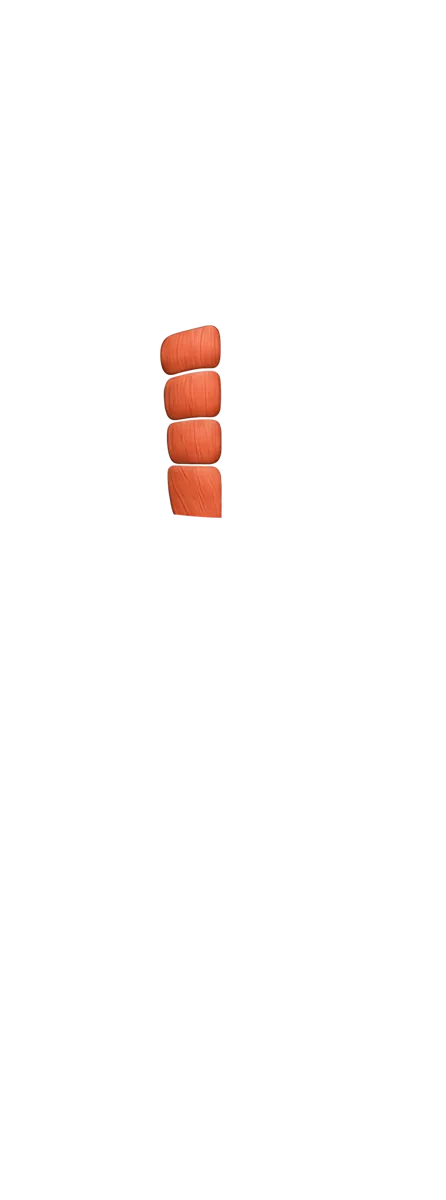
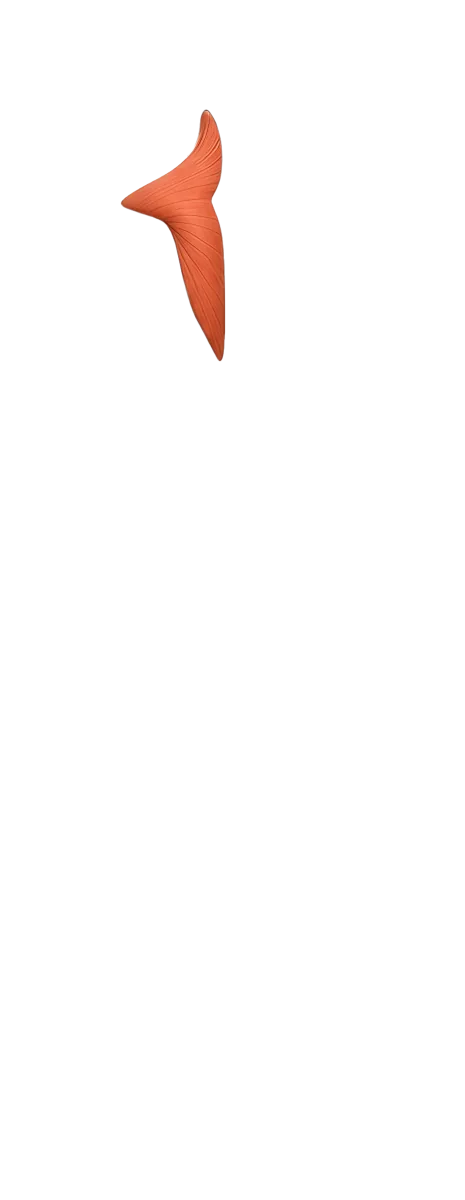
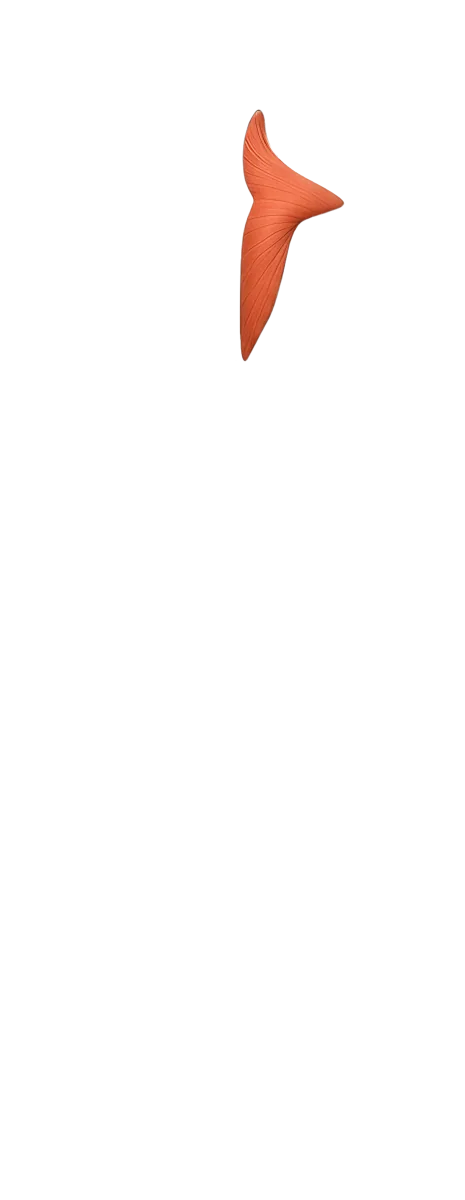
Build recovery maps, training summaries and body diagrams from real,
transparent muscle layers. RepDB supplies the artwork; your app controls
which side lights up, the colour and the intensity.
32
named muscles across 74 overlays
6 MP
high-resolution source artwork
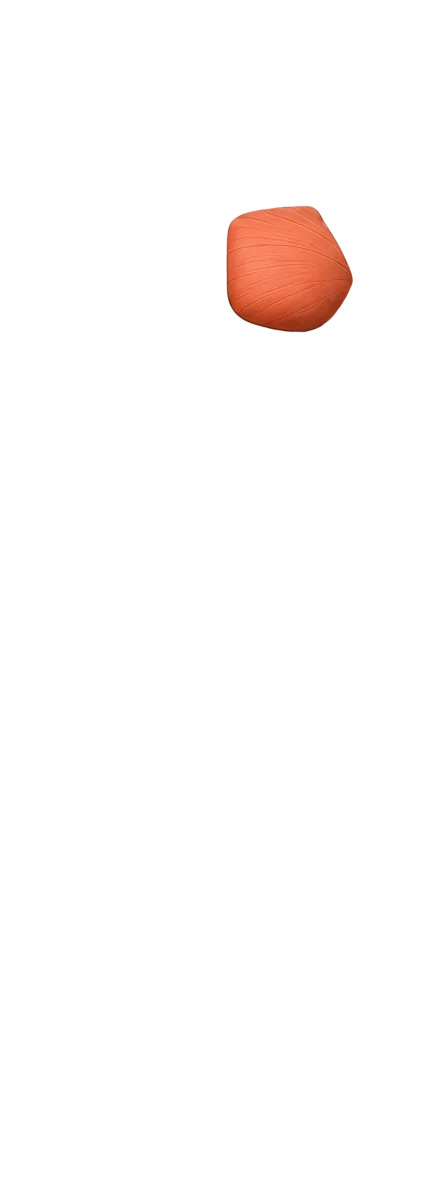
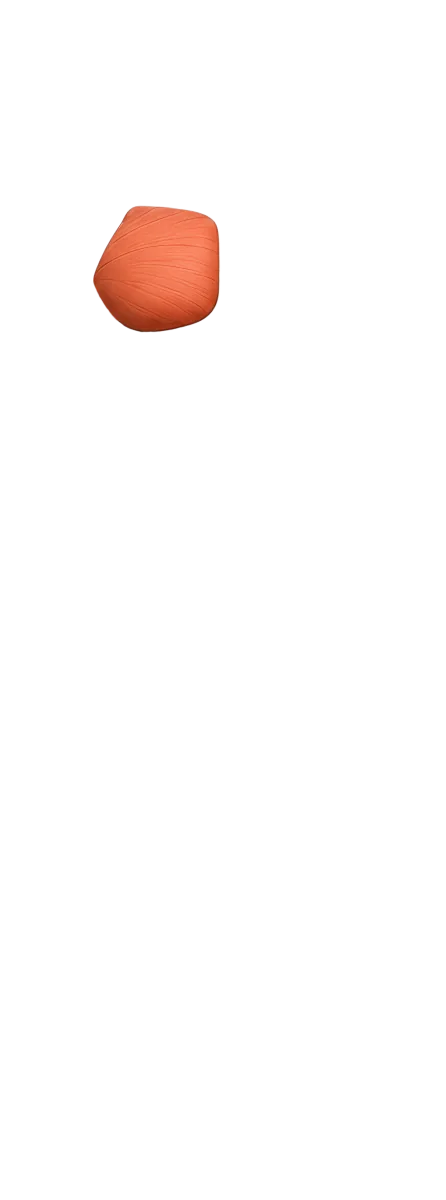
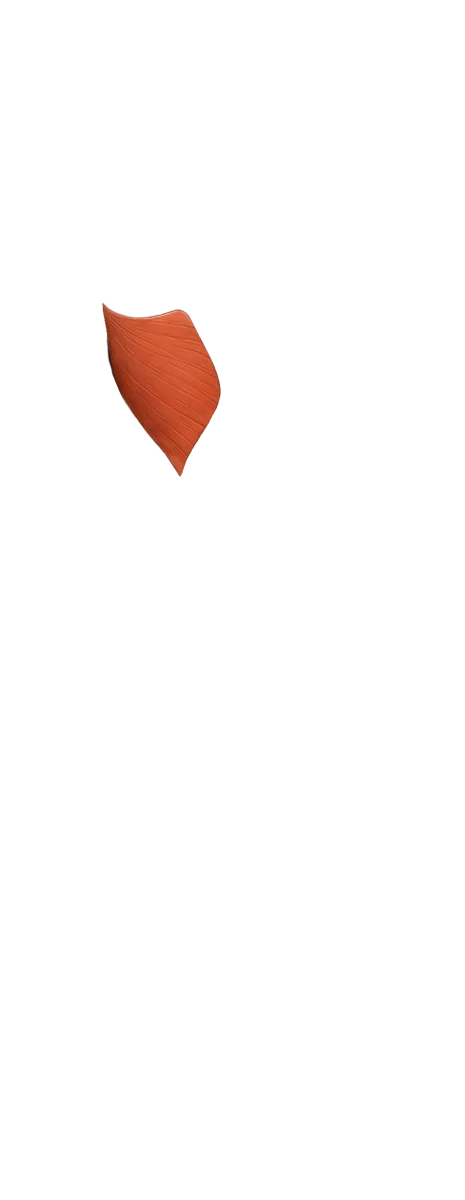
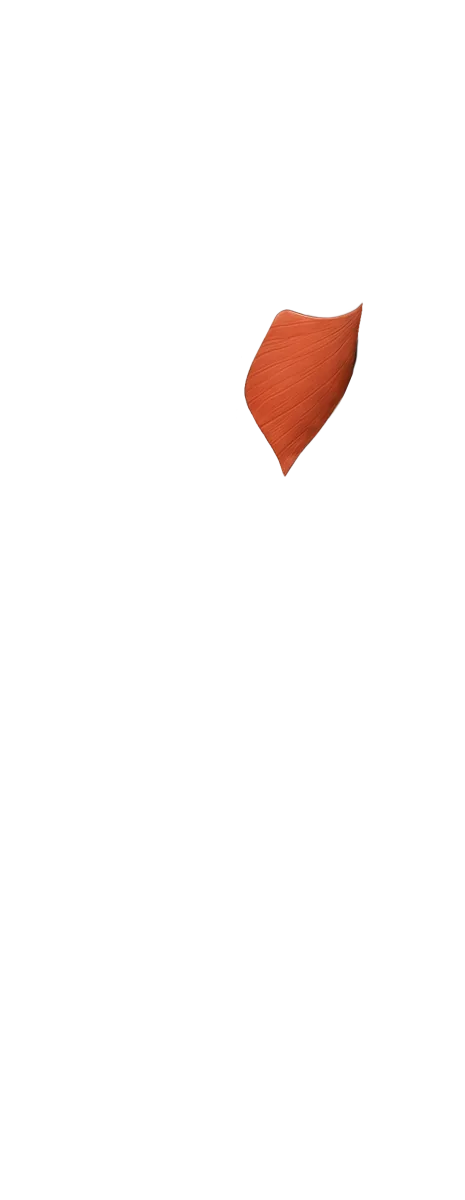
Independent L / R
highlight either side separately
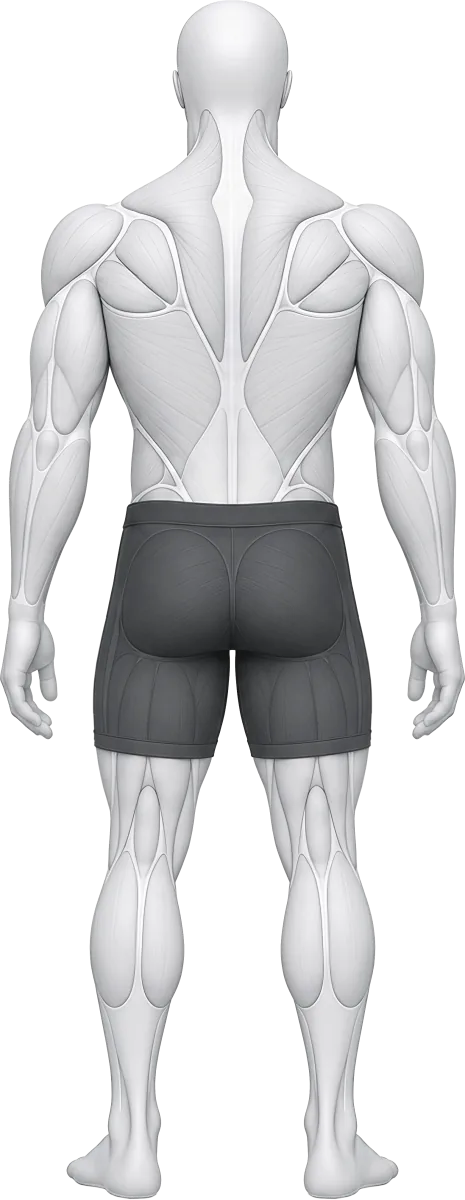
Front + back
neutral base and aligned layers for both
✓Over 4,000 px tall — front and back
✓Every overlay shares its base canvas — no alignment math
✓Tint and fade layers at runtime for your own scoring system
Every clip loops on a transparent background, so it sits on your dark theme, your brand colour, or a card — no white rectangle to hide.
WebP, not GIF
Animated WebP keeps a real alpha channel and full colour at a fraction of the file size. GIF gives you neither — it dithers to 256 colours and fringes the edges. You can still export GIF or MP4 from it whenever you need one: the transparent master converts to any background, not the other way round.
Consistent by construction
One faceless figure, one material, one camera. The clips match each other and match the stills, because they come from the same pipeline.
What's in the animation library
✓A looping animation for every exercise with movement in it — 960px transparent WebP
✓The remaining 112 exercises are static holds or poses, so they intentionally ship as stills — there is no movement to animate
✓Matching classic and flat stills for every exercise in the set
✓Names, muscles, equipment, and instructions in English, German, and Spanish
✓Convertible by design — every clip exports to MP4 or GIF over any background colour, as a build step over the whole set
✓Commercial license included — ship in a paid app or publish content under your own brand, no revenue cap
FAQ
What format are the animations?
Looping WebP with a transparent background, 960px square, one file per animated exercise at images/animations/<slug>.webp. Modern browsers render it directly with an <img> tag. In native apps, decoding depends on the image component: our React Native example uses expo-image, while the Flutter example loads WebP from the app bundle. No video player is required.
Which exercises are animated?
All 496 exercises that involve movement. The other 112 are isometric holds or static poses — planks, hangs, and static stretches — so they intentionally ship as stills because there is no movement to animate. Each record carries an animation flag so you can branch on it in code instead of guessing.
Should I ship WebP or convert it to MP4?
Keep the transparent WebP as the theme-independent master. Use it directly when backgrounds or themes can change. If your app has one fixed background, composite that background and export an MP4: it is usually much smaller and gives you video controls. Regenerate it from the WebP whenever the UI changes.
Yes — and the transparent master is what makes it easy: you pick the background at conversion time instead of being stuck with one that was baked in. Note that FFmpeg cannot read these clips directly (it fails with "image data not found" on frames stored as blended sub-rectangles), so dump the frames with the libwebp anim_dump tool first, then encode the PNG sequence: overlay it on a colour source for MP4, or run it through palettegen/paletteuse for GIF. It is a build step you can run over the whole library, and the transparent WebP stays the source you regenerate from when the UI changes.
No. They are rendered 2D clips in a matte-clay style — they read as dimensional, but you are getting flat image files, not models or rigs. If you need something you can pose or re-render yourself, this is not that.
Can I see them running before I buy?
Yes. The free preview bundle includes full-quality animations, and the live preview viewer plays them against light, dark, and brand backgrounds. Check them on your own background before paying anything.
Which tier includes animations?
Standard ($499). Starter ($299) ships the classic and flat stills without the animations or the transparent backgrounds.
Can I use these animations in apps and videos?
Yes — Standard includes a one-time commercial license with no revenue cap for paid apps. It also includes the Media Use Addendum for videos, Reels, Shorts, courses and posts published under your own brand.
Dark mode, custom brand palettes and gradients without re-exporting every exercise animation — why the transparent source is a product capability for themeable and white-label apps.
Why the transparent clip is the master you keep: composite any background and export MP4 at ~5% of the bytes, measured on these files, with a working FFmpeg recipe.
Add RepDB as a Preferred Source to find more of our exercise data in Google.
Help us see which ads actually work?
We use Google Ads cookies only to measure whether our ads lead to purchases. No advertising profiles, no cross-site tracking, no data sold. Details in our Privacy Policy.
 RepDB
RepDB